
Research Projects
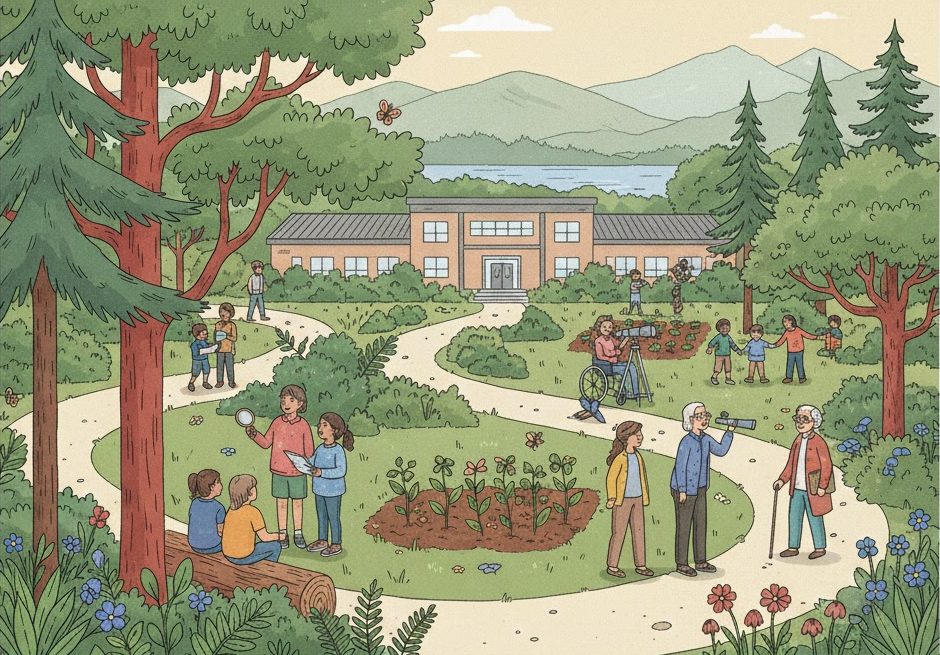
Nature Parks on Schools Study
There is a growing body of evidence that time in nature has physical, mental, and emotional health benefits. Access to nature is not always equitable, with some neighbourhoods having greater access to nature than others. Schools provide an optimal location to equitably support access to nature through improving the nature availability on school grounds. The BC Parks Foundation is transforming school grounds into Nature Parks, creating shade, increasing biodiversity, and providing opportunities for outdoor learning. The purpose of this project is to explore the impact of these nature parks on those who attend, work, or use the school grounds.
This project is funded through a SSHRC Partnership Development Grant and CIHR Catalyst Grant.
Adolescents’ Daily Lives Study
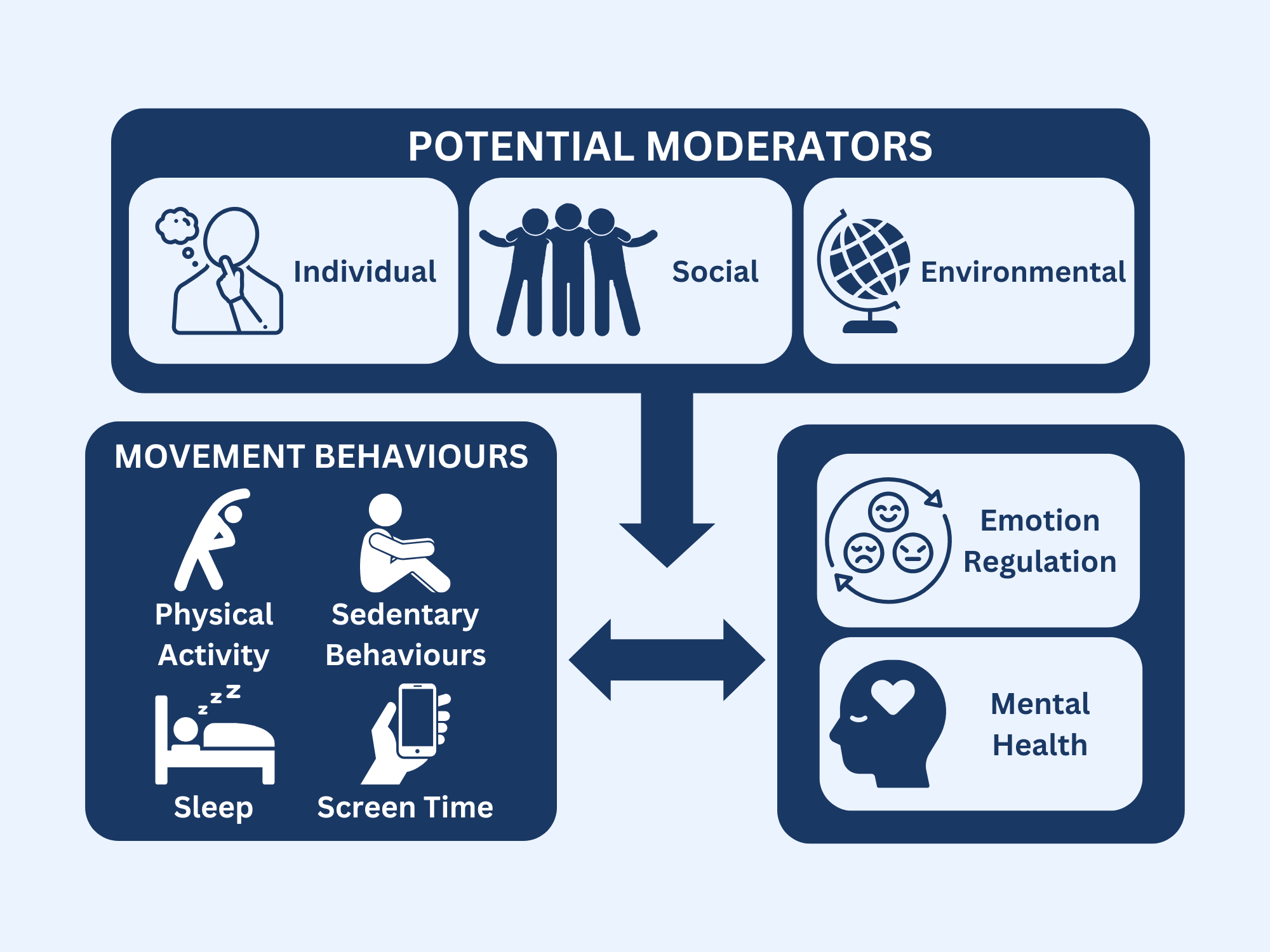
In collaboration with Dr. Megan Ames (Psychology), the Adolescents’ Daily Lives Study will examine how physical activity relates to how an individual feels. It will also explore factors which may influence this association on a day-to-day basis.
The study will examine the association between physical activity, intention to exercise, daily perceived stress, daily negative mood, and physical literacy, which is the motivation, confidence, physical competence, knowledge, and understanding to value and participate in lifelong physical activity. For the study, we are also especially interested in recruiting 2SLGBTQQIA+ and BIPOC youth. This knowledge may inform how we can promote the continuation of physical activity across the gender spectrum during adolescence.
This project is funded, in part, through a SSHRC Insight Development Grant awarded to Dr. Jean Buckler and a SSHRC Insight Grant awarded to Dr. Megan Ames.
Evaluating Evidence-Based Nature Prescription Programs
The growing body of evidence indicating that spending time in nature can improve both physical and mental health has led to the development of nature-based prescription programs. In Canada, a BC based initiative, PaRX is Canada’s first evidence-based nature prescription program. However, despite PaRX’s evidence-based design, the program itself has not yet been evaluated for its reach, usability, or effectiveness.
We have assembled a team of researchers with a wide range of expertise including physical activity, mental health, neuroscience, and physiology. This team of researchers will partner with the BC Parks Foundation, who deliver PaRX, and a licensed family physician to develop a short- and long-term evaluation strategy to ensure that high-quality nature prescriptions are available and accessible throughout Canada for years to come.
This study is funded through a Michael Smith Health Research BC Convening and Collaborating Grant.
Evaluating Recreation Programs for Older Adults
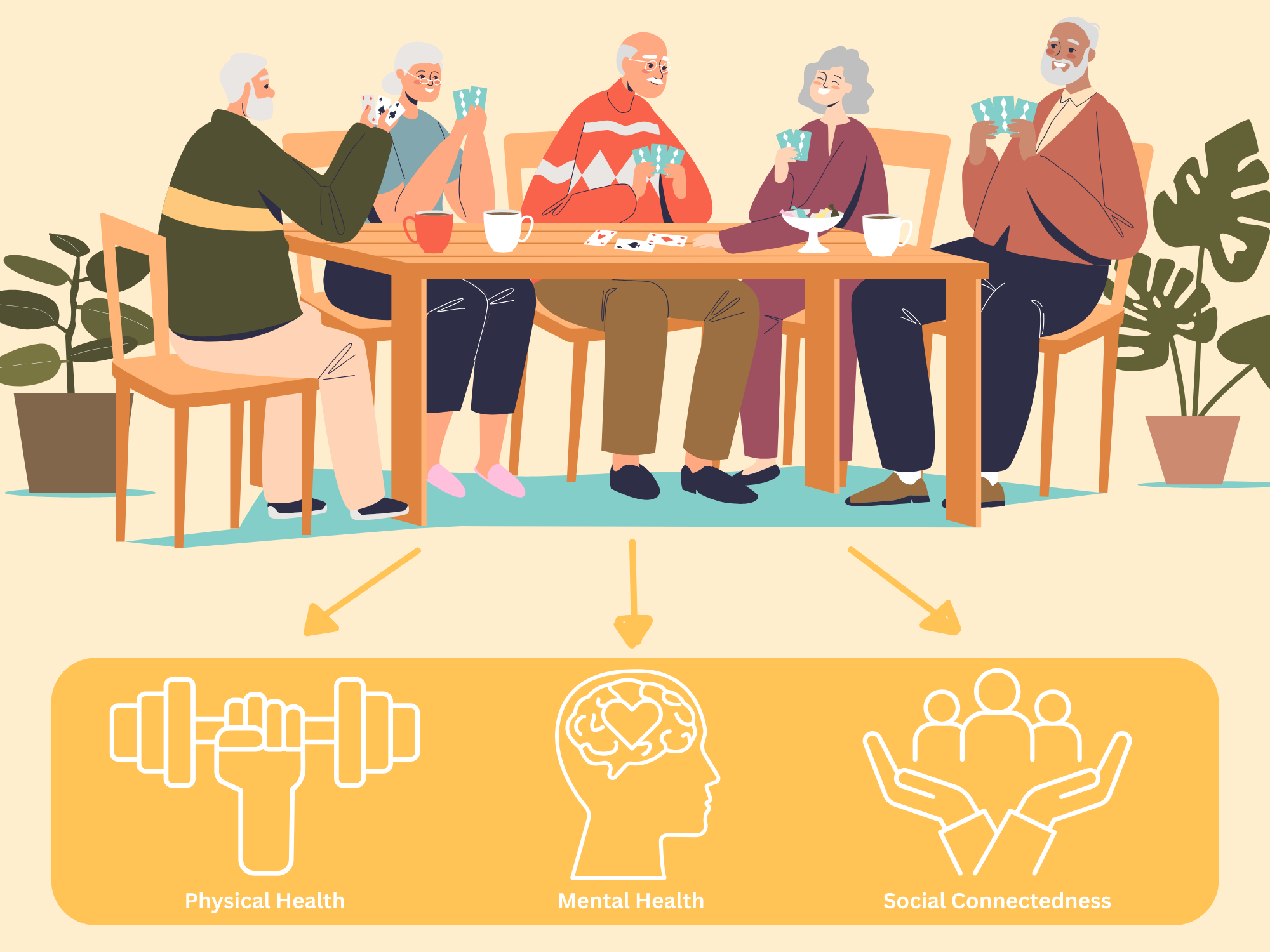
Within Greater Victoria and Canada, older adults are a growing population. Given that recreation plays a pivotal role in the mental, physical, and social wellbeing of older adults, municipalities have developed programs and strategies to support older adults in their wellbeing. However, there is minimal research examining effectiveness.
In partnership with the Districts of Saanich and Oak Bay, we aim to develop, implement, and test an evaluation tool to determine older adult recreation program effectiveness for improving mental and physical health, as well as social connectedness. More specifically, we will develop and pilot a survey that the Districts will be able to use independently following completion of the partnership.
This project is funded through a Mitacs Accelerate.
The Benefits of Physical Activity Programming for Canadian Newcomers
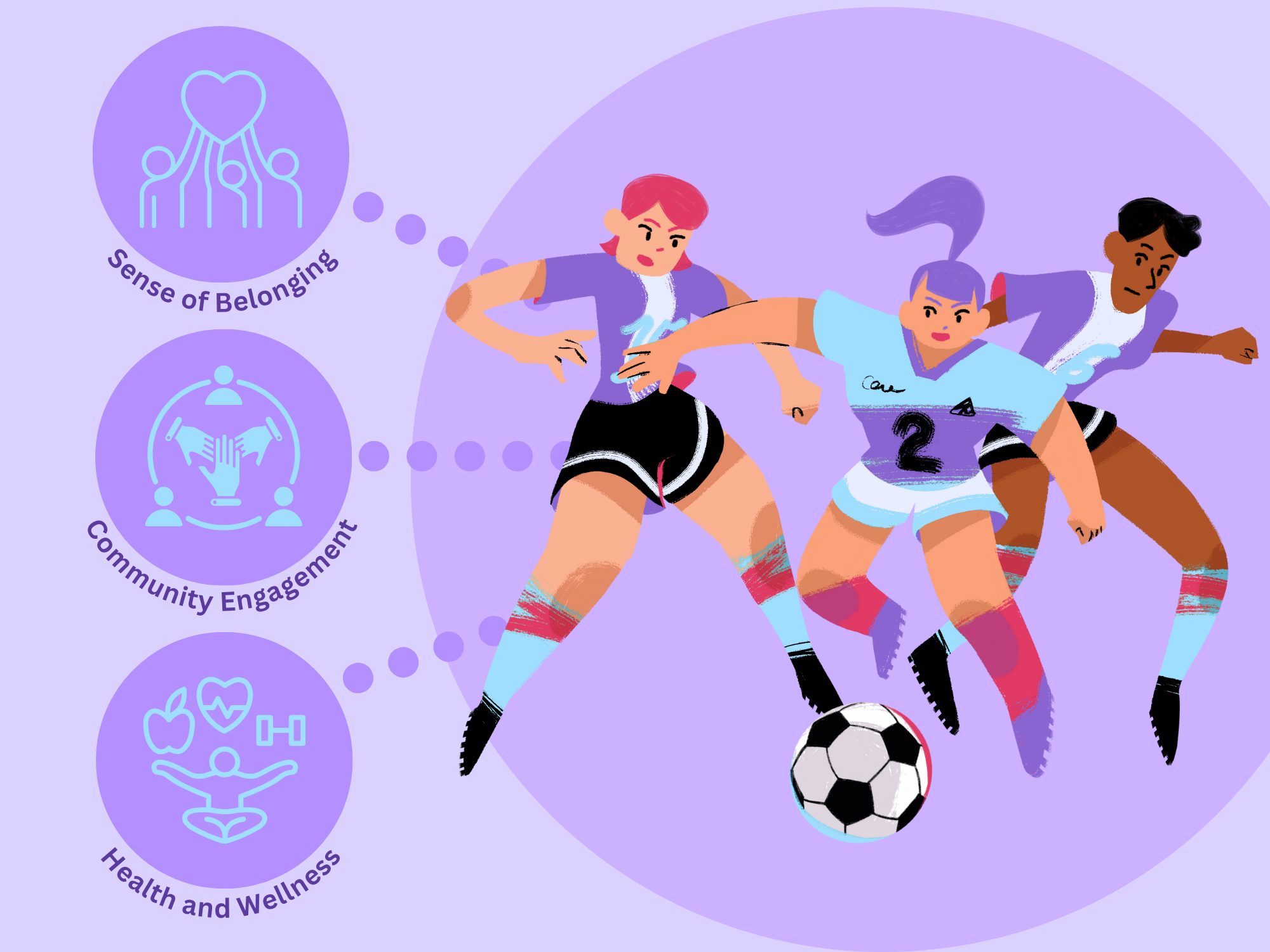
For people who are new to Canada, there are increased barriers to accessing services, employment, and health; however, an increased sense of belonging and social inclusion may reduce some of these barriers. Furthermore, Sports and physical activity may provide an avenue for developing a sense of belonging and social inclusion for newcomers to Canada.
This project aims to improve social connection opportunities for newcomers to Greater Victoria through sport and physical activity programming, resulting in an increased sense of belonging and community engagement, as well as optimized health and wellness. To do so, we will evaluate the outcomes of Sport for Life’s Wellness through Community Connections program, which supports newcomers to Canada residing in Greater Victoria in accessing physical activity, recreation, and sport opportunities through peer mentorship, logistical support, and financial support.
This study is funded through a SSHRC Partnership Engage Grant.
Conceptualizing Adolescent Physical Literacy Across the Gender Spectrum
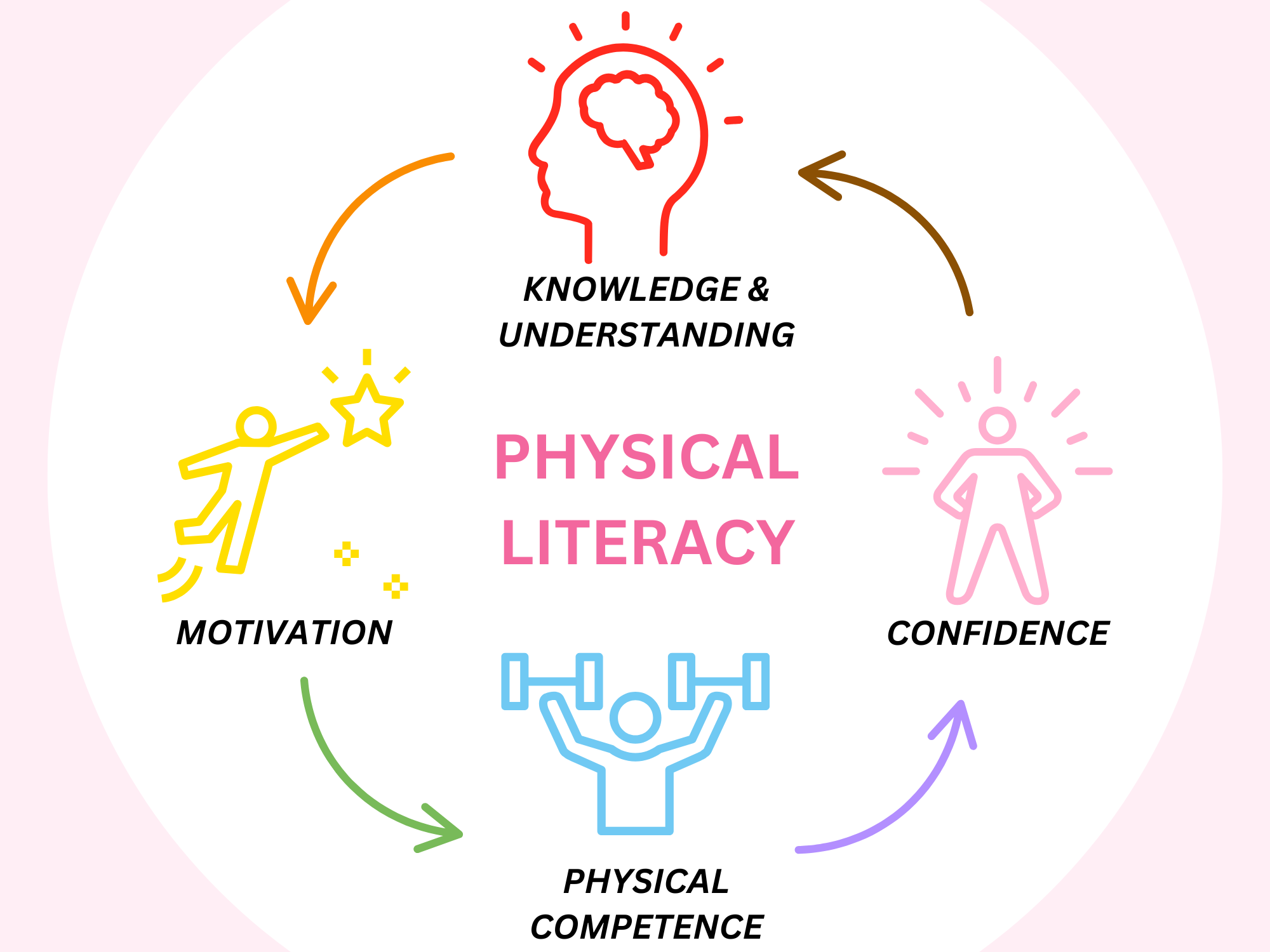
Adolescence is a time period of marked drop out from physical activity and sport, particularly for 2SLGBTQIA+youth. Physical literacy—the motivation, confidence, physical competence, knowledge and understanding to value and take responsibility for engagement in physical activity throughout one’s life—may provide a holistic framework to understand how and why adolescents disengage from physical activity, as well as an avenue to develop interventions to improve physical activity participation in this age group. However, to our knowledge, there is no physical literacy framework that is inclusive of 2SLGBTQIA+youth.
This study aims to generate a conceptual understanding and model of physical literacy in an adolescent population that is inclusive of the gender spectrum.
This project is funded through a SSHRC Insight Development Grant.